Archaeology
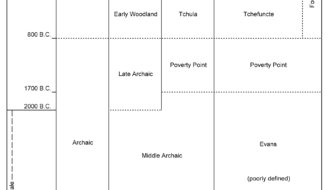
Prehistoric Archaeology in Louisiana
This entry explores the history of American Indian life in Louisiana from 11,500 BCE to 1700 CE through the study of prehistoric archaeology.
This entry explores the history of American Indian life in Louisiana from 11,500 BCE to 1700 CE through the study of prehistoric archaeology.
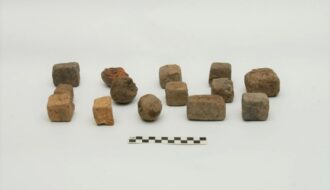
This entry covers the prehistoric Evans culture during the Middle Archaic Period, 6000–2000 BCE.
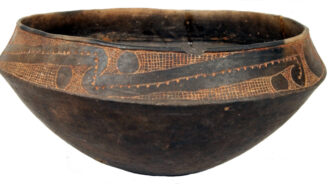
This entry covers prehistoric Caddo culture during the Late Woodland and Mississippi Periods, 900–1700 CE.
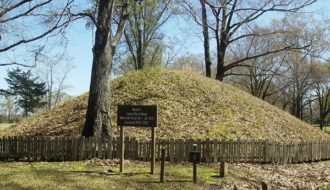
This entry covers the prehistoric Marksville Culture during the Middle Woodland Period, 1–400 CE.
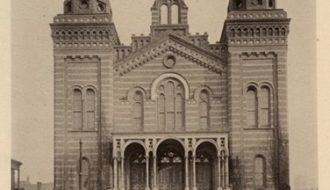
A native of New Orleans, Moise Goldstein practiced architecture in the city for nearly half a century and helped create the School of Architecture at Tulane University.
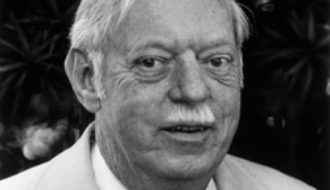
Samuel Wilson Jr., an architect and preservationist, is often referred to as the "Dean of Historic Preservation" in New Orleans.
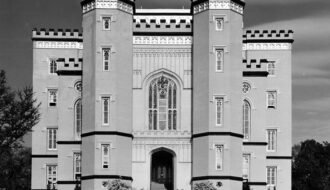
Designed by architect James H. Dakin, Louisiana's Old State Capitol in Baton Rouge is among the state’s most distinctive architectural landmarks.
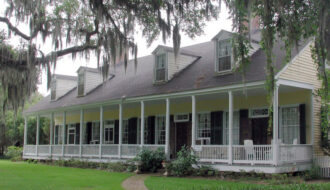
Andrew Jackson was entertained at Cottage Plantation while en route to Natchez after the Battle of New Orleans.
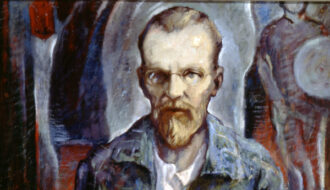
In December 1927 several professional male members of the Arts and Crafts Club of New Orleans organized the New Orleans Art League.
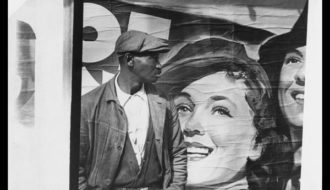
Walker Evans, recognized as the preeminent photographer of his generation, created many of his iconic images in New Orleans and along Louisiana's River Road.
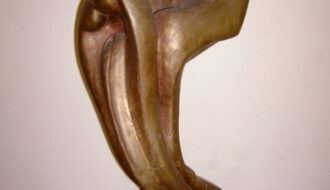
Juan José Calandria and Challis Walker Calandria were prominent painters, sculptors, art teachers, and diplomats in New Orleans in the latter half of the twentieth century.
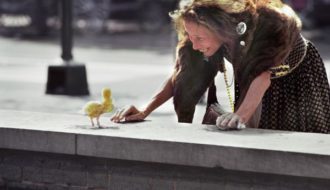
Photographer George Long is a well-known chronicler of New Orleans street culture, locales, events, and people.
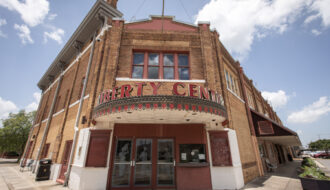
The historic theater in Eunice entertained generations as a movie theater, vaudeville house, and home of Rendez-vous des Cajuns.
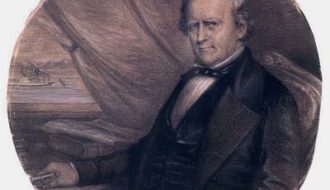
The Shreve Town Company was a for-profit business venture that led to the establishment of what is today known as Shreveport, the largest city in northwest Louisiana.

For a state experiencing land loss at an alarming rate, coastal restoration has become an urgent need.
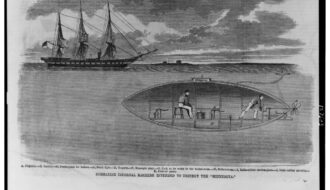
The Singer Submarine Company operated a naval yard on the banks of Cross Bayou that built five Confederate submarines, four of which were sunk before seeing combat.
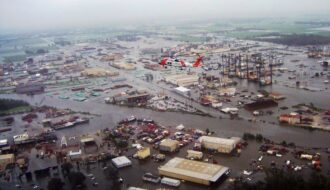
Hurricane Ike’s size and timing was a sobering reminder that Louisiana was underprepared for another storm on the scale of Hurricane Katrina.
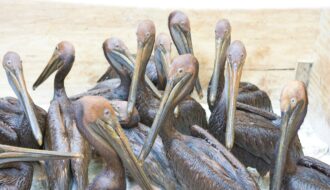
The 2010 BP spill was one of the worst environmental disasters in US history.
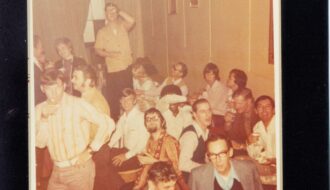
The act of arson at the Up Stairs Lounge, a gay bar in the French Quarter, was the deadliest fire on record in New Orleans history and the largest mass killing of queer citizens in twentieth-century America.
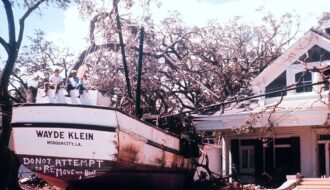
Hurricane Camille struck coastal Mississippi in mid-August of 1969, marking the first designated Category 5 storm and one of Louisiana’s most storied tropical weather events.
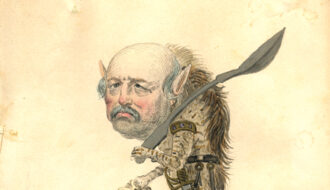
Mardi Gras of 1873 provided the occasion for a bold display of political commentary and costume artistrly by the Mystick Krewe of Comus.
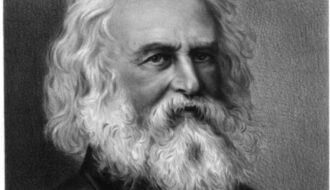
The legend of a displaced Acadian couple, Evangeline has played an important role in Louisiana history and culture despite its fictional nature.
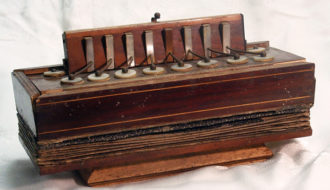
The diatonic button accordion is a prominent and distinguishing feature of Cajun music, first imported to Louisiana from Europe in the late nineteenth century by German Jewish immigrants.
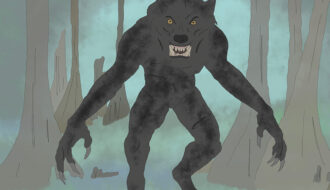
Louisiana’s folktales have been influenced by Indigenous peoples and the many cultural and ethnic groups that have immigrated to the state.
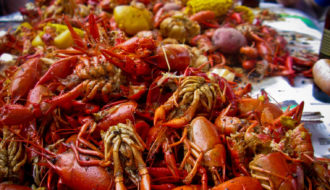
Crawfish boils are a springtime ritual in Louisiana.
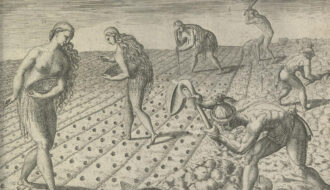
Entry describes sagamité, a range of cornmeal-based soups, stews, and porridges with Native American origins that became a common component of French colonial cuisine.
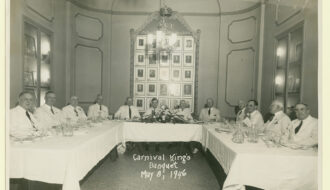
Founded in 1840, Antoine’s Restaurant is the oldest continually family-owned and -operated restaurant in the United States.
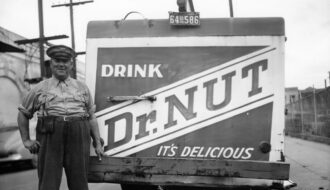
Created in the 1930s, Dr. Nut is best remembered as the favorite beverage of Ignatius J. Reilly, the protagonist of John Kennedy Toole’s New Orleans–set novel, Confederacy of Dunces.
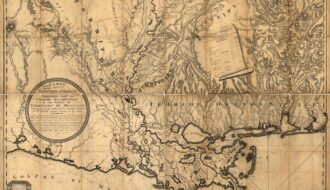
A portion of Louisiana was once the western extremity of colonial Florida
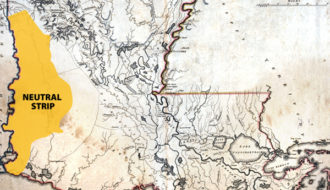
The Neutral Strip existed outside the governance of either the United States or Spain until 1821.
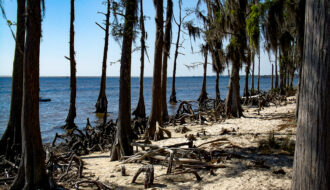
The Fontainebleau State Park bears the name of Bernard de Marigny's sugar plantation, which formerly occupied this site and was itself named after the estate of the French king Francois I.
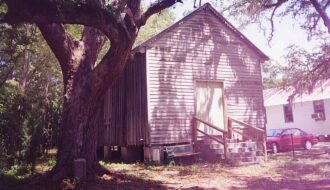
Mandeville was founded in 1834, occupying part of what was formerly the sugar plantation of Bernard de Marigny de Mandeville in Louisiana.
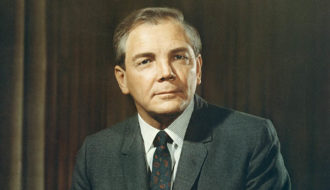
John J. McKeithen, the 49th governor of Louisiana, served from 1964 to 1972.
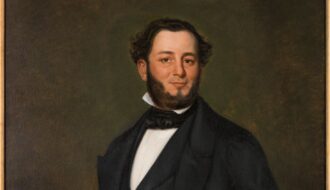
Judah P. Benjamin was one of the nineteenth-century South’s most prominent attorneys and statesmen.
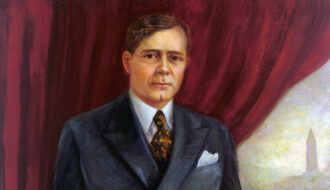
Huey Long rose to prominence during the Great Depression as governor of Louisiana.
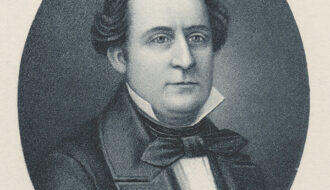
Democrat Robert Wickliffe, who served as the governor of Louisiana from 1856 until 1860, oversaw the state in the increasingly tumultuous years before the Civil War.
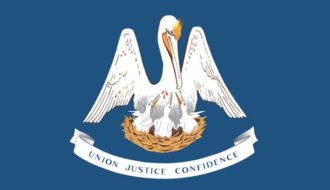
Louisiana governor Robert Kennon successfully campaigned on a platform of taking a "civics book approach" to government and eliminating corruption.
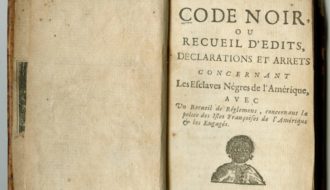
As early as 1699, when Pierre Le Moyne d'Iberville first began to develop the French colony of Louisiana, he petitioned the king to allow a slaving expedition to the west coast of Africa to procure captive laborers.
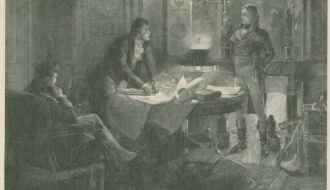
The Third Treaty of San Ildefonso secretly transferred control of colonial Louisiana from Spain to France.
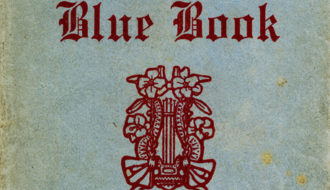
Blue Books is the common name given to the various published directories of female prostitutes and houses of prostitution in Storyville, New Orleans' legally designated red-light district.
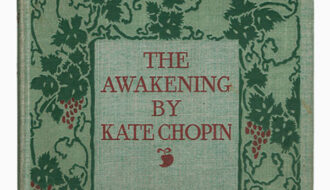
This entry provides an overview and analysis of Kate Chopin's short novel "The Awakening."

Rebecca Wells is a novelist, actress, and playwright from central Louisiana.
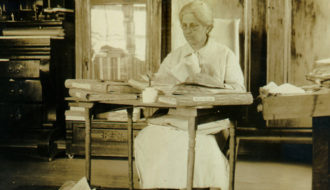
Cammie Henry played a central role in Louisiana's artistic and literary communities, as both a patron of the arts and preservationist.
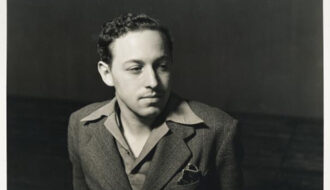
Tennessee Williams was one of the most important playwrights of the twentieth century.
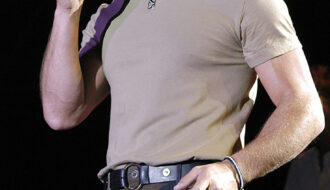
Born in northeast Louisiana, country music star Tim McGraw has numerous hit songs and soaring sales figures.
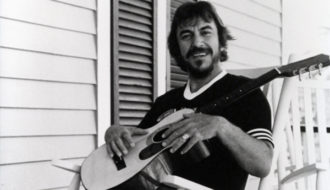
Bobby Charles made enduring contributions to the overlapping genres of rhythm and blues, rock and roll, and swamp pop, as both a recording artist and a songwriter.
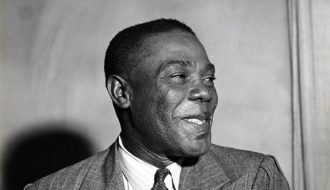
Joseph Butler was a jazz bass player frequently heard at Preservation Hall in New Orleans's French Quarter.
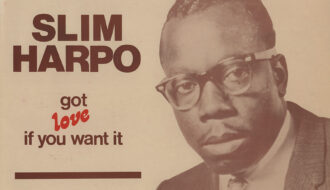
J. D. Miller’s recording studios in Crowley are best known for recording South Louisiana musical genres but the studio leaves a mixed legacy, having produced a series of racist songs in the 1960s.
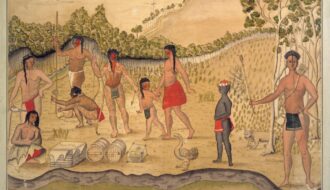
Approximately forty ethnically and politically distinct North American Indigenous polities located in the Gulf Coast region and lower Mississippi River valley made up les petites nations.
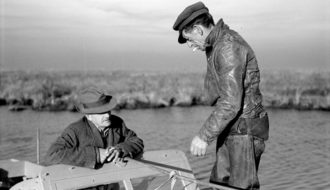
Louisiana's Isleños descend from Canary Islanders who immigrated to the southeastern part of the state in the late 1700s, when Spain ruled the colony.
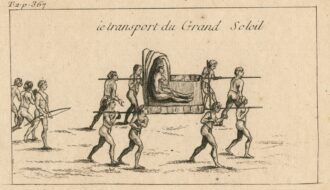
The Natchez are an American Indian group that lived along the Lower Mississippi River during the rise of European colonialism.
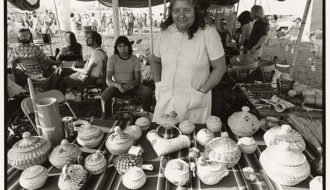
The Coushatta Tribe of Louisiana is the largest of four federally recognized tribal governments in Louisiana.
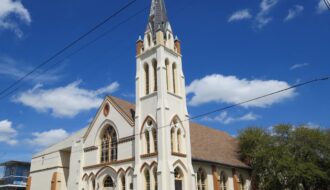
One of the first Black Protestant churches in Louisiana, Wesley Chapel played pivotal roles in social and political movements, from teaching freed Black women to read after the Civil War to engaging in the civil rights movement.
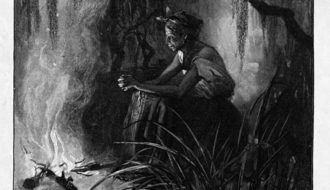
Voudou, a synthesis of African religious and magical beliefs with Roman Catholicism, emerged in New Orleans in the 1700s and survives in active congregations today.
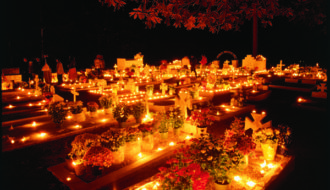
All Saints Day or All Hallows Day is a Catholic tradition honoring the saints and also deceased family members each November 1.
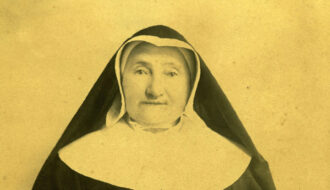
Mother Mary Hyacinth led nine Daughters of the Cross from France to central Louisiana in 1855 to open a convent and several schools.
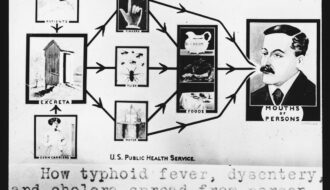
During the nineteenth century, cholera epidemics caused tens of thousands of deaths throughout the state of Louisiana.
For a state experiencing land loss at an alarming rate, coastal restoration has become an urgent need.
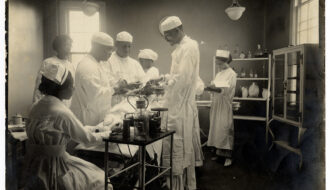
Flint-Goodridge Hospital opened in 1896 to serve New Orleans’s Black community and provide medical training for Black nurses and physicians at a time when other hospitals denied services to Black people.
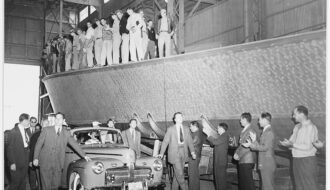
The United States’ entry into World War II spurred Louisiana’s recovery from the economic doldrums of the Great Depression.
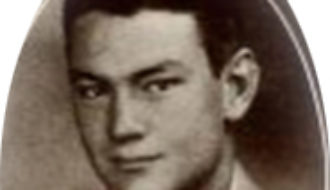
Rolland Romero was the youngest member of the 1932 US Olympic team and the world-record holder in his event at the 1936 Olympics in Berlin, Germany.
New Orleans’s basketball team is named for Louisiana’s state bird, the brown pelican.
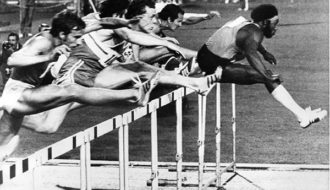
Rodney Milburn was born in Opelousas and competed successfully at Southern University in Baton Rouge before becoming the world’s best high hurdler in the early 1970s.
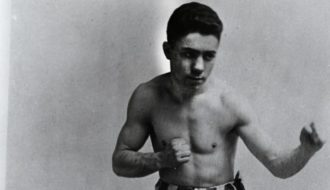
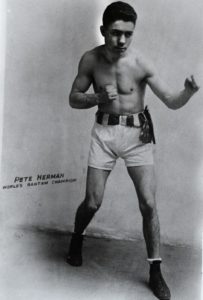
Pete Herman, world champion bantamweight boxer, owned and operated a popular French Quarter bar until his death in 1973.
One-Year Subscription (4 issues) : $25.00
Two-Year Subscription (8 issues) : $40.00